Picture this. The guests are arriving, conversations are flowing, and the table looks inviting. But halfway through the event, someone asks quietly, “Is there more food?” Planning the right amount of catering can feel deceptively tricky. Too little, and it leaves guests hungry. Too much, and you are left with unnecessary waste and cost.
Whether you are hosting a birthday party, office gathering, housewarming, or intimate celebration, knowing how much catering you really need is one of the most important decisions you will make. The good news is that with a little planning and the right questions, it is completely manageable and even stress-free.
Start With the Type of Event You Are Hosting
Every event has its own rhythm, and the type of occasion sets the tone for how much food guests will expect.
A corporate lunch or training session usually calls for lighter portions. Guests are there to work, not feast, and meals are often timed and structured. In contrast, a birthday party, baby shower, or festive gathering tends to encourage grazing, second helpings, and longer mingling around the food table.
Ask yourself:
- Is this a meal replacement or a light refreshment?
- Will guests be seated or moving around?
- Is food a main highlight or a supporting element?
Answering these questions early helps shape realistic expectations.
Guest Count Is Only the Starting Point
While headcount matters, it is rarely the full story. A group of 30 adults will eat very differently from a mixed crowd of families, children, and seniors.
Here are a few factors that influence how much people eat:
- Time of day: Lunch and dinner require more food than mid-afternoon events.
- Duration: Longer events mean guests will snack more.
- Demographics: Younger adults often eat more than elderly guests or children.
- Cultural habits: Some groups place greater emphasis on food abundance as part of hospitality.
A good caterer will help you adjust portions based on these nuances instead of relying on numbers alone.
Buffet or Bento? Portion Styles Matter
The way food is served plays a huge role in how much you should order.
Buffet-Style Catering
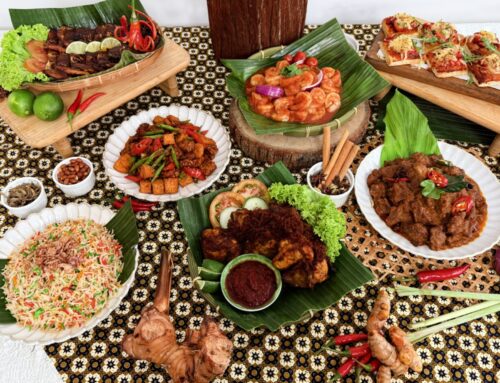
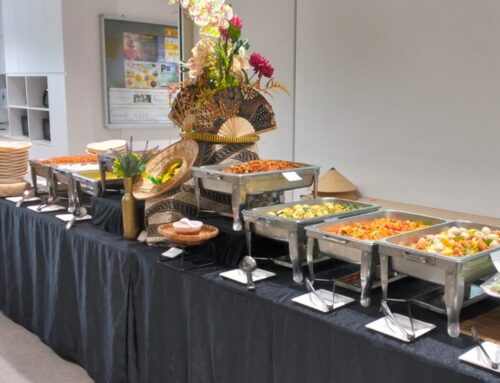
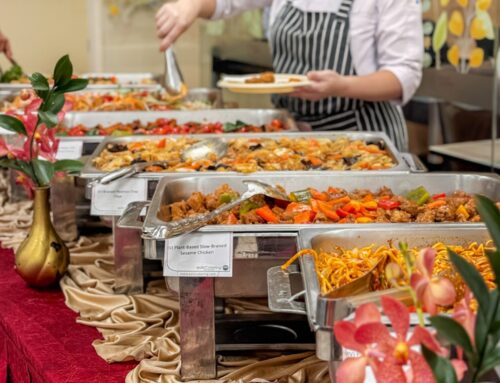
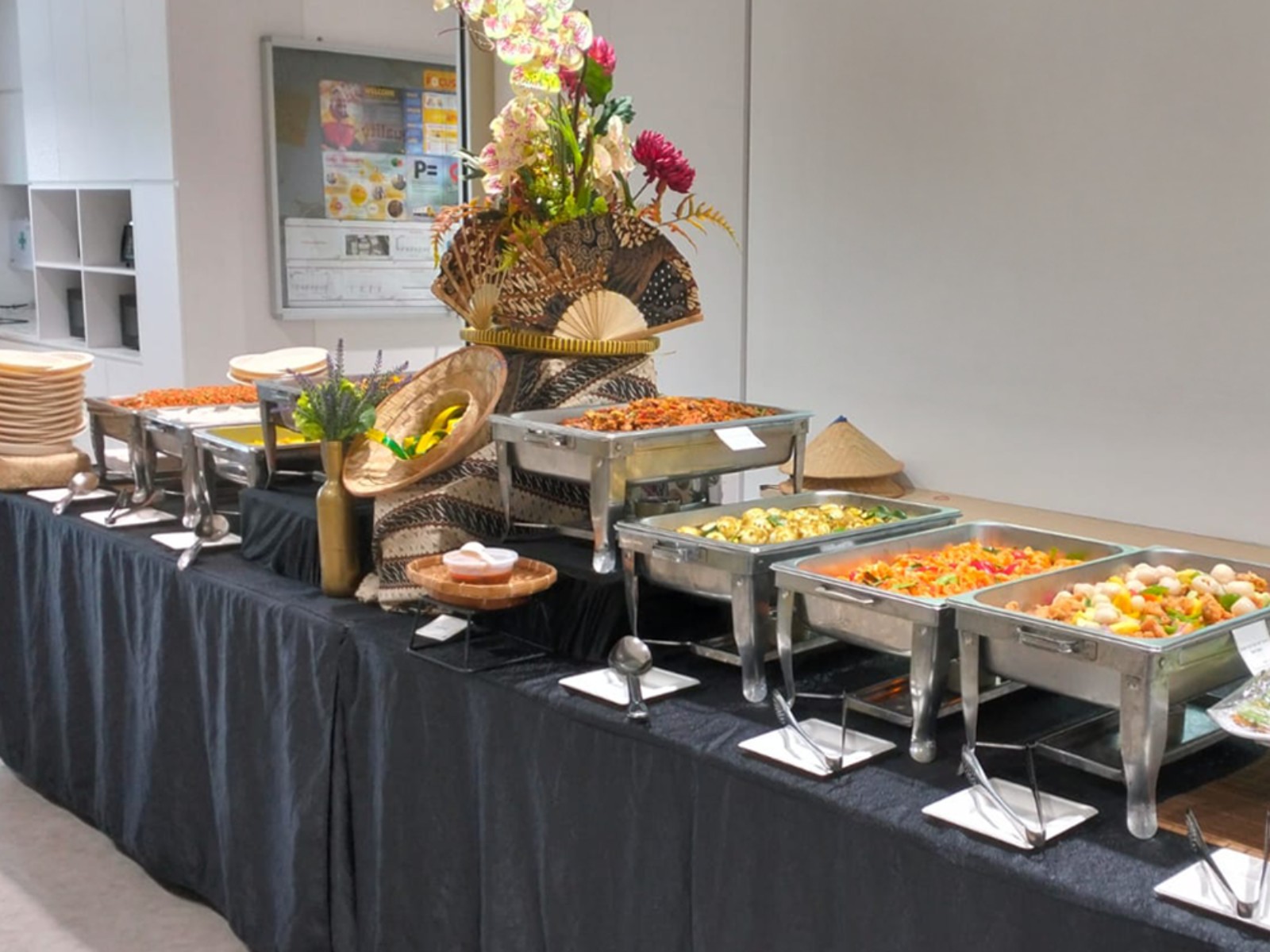
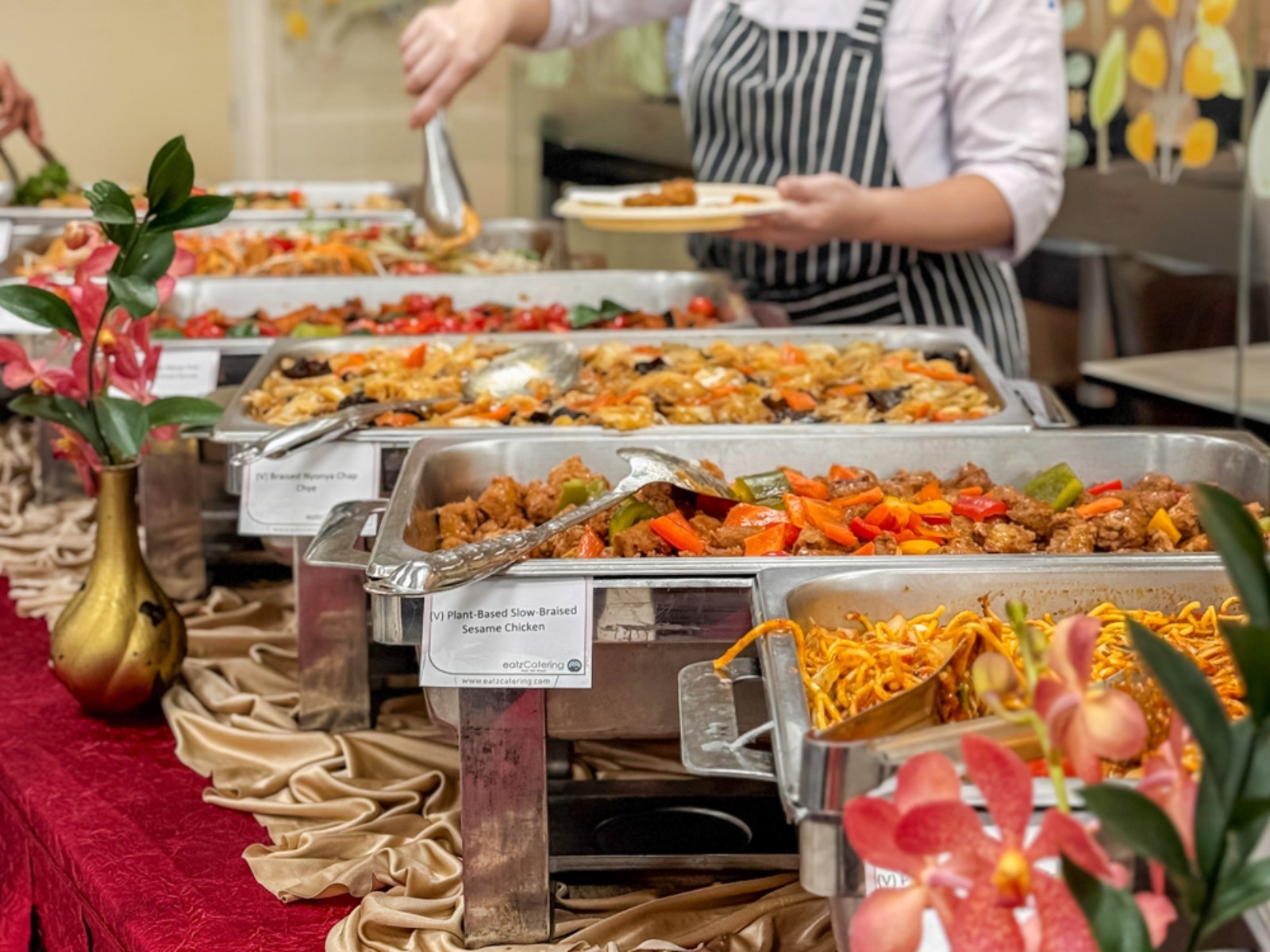
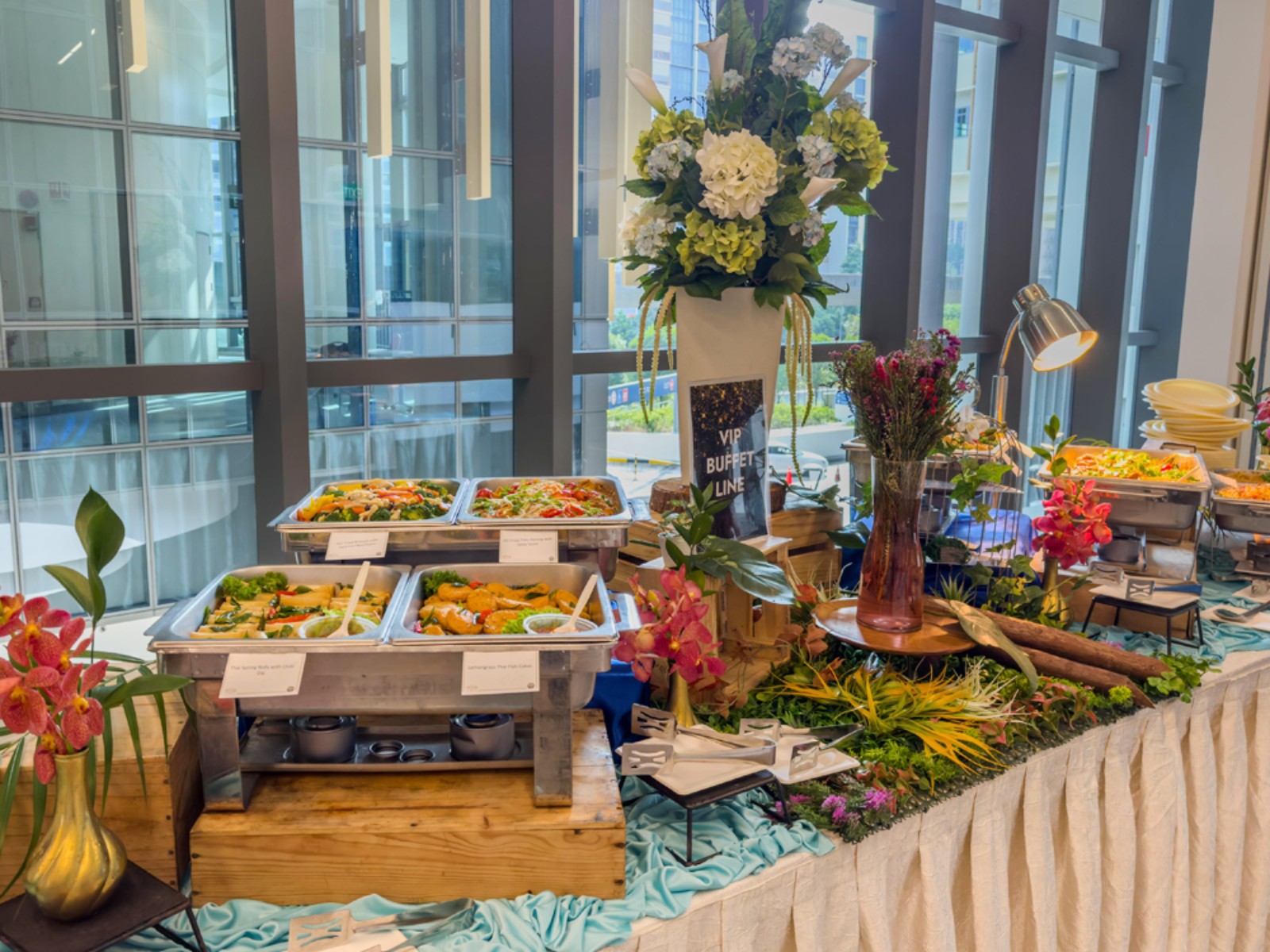
Buffets are popular for social events because they encourage variety and interaction. However, they also tend to increase consumption since guests like to sample everything. A small catering buffet for a home celebration, for example, often needs careful planning to ensure there is enough choice without overloading quantities.
As a general guide, buffet menus should include:
- A balance of proteins, carbohydrates, and vegetables
- Enough variety so guests do not overload on one dish
- Portions that allow for second helpings without excess waste
Individual Portions or Bento Sets
For more structured events, individual portions help control quantities more precisely. These are ideal for corporate functions or shorter events where timing matters.
Consider the Menu Composition Carefully
Not all dishes fill people up the same way. Hearty mains such as rice, noodles, or pasta tend to be more filling, while lighter items like finger foods and appetisers disappear quickly.
When reviewing popular catering menus, look for a mix of:
- Filling staples
- Protein-rich dishes
- Light sides or salads
- Desserts that satisfy without being excessive
A menu that is well-balanced often allows you to order slightly less overall because guests feel satisfied sooner.
Premium Menus Change Expectations
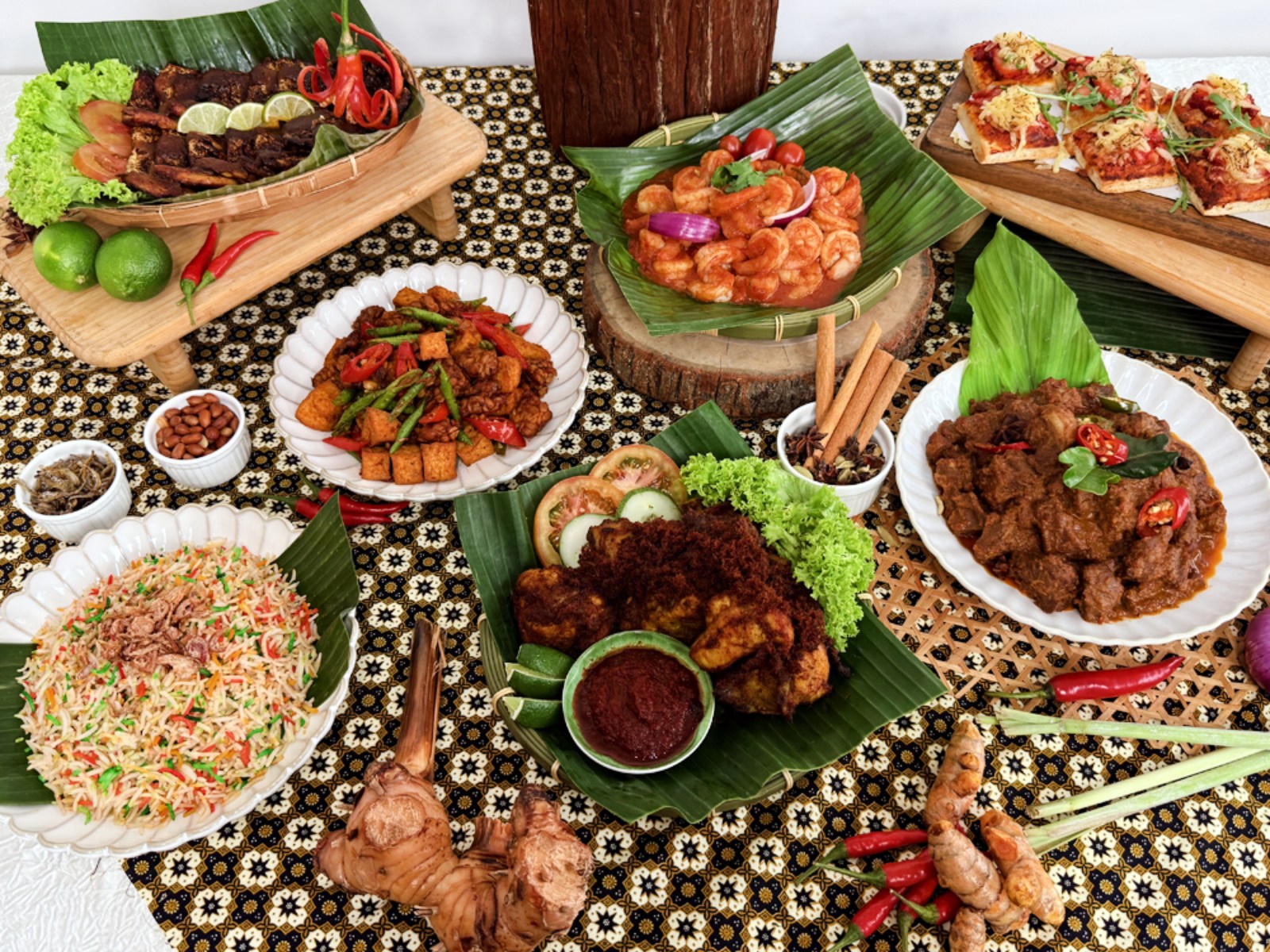
When hosting an upscale event or client-facing gathering, food quality often matters more than sheer quantity. Premium catering menus usually feature higher-quality ingredients, refined presentation, and more thoughtfully curated dishes.
In these cases, guests tend to eat more moderately, appreciating the flavours rather than piling plates high. This means you may not need to over-order, but you should ensure the menu feels complete and generous.
The key is matching the menu style to the mood of the event rather than assuming more food is always better.
Timing and Flow of the Event
Another commonly overlooked detail is when food is served in relation to the event schedule.
If food is served immediately upon arrival, guests are likely to eat more quickly. If it is introduced after an activity or speech, consumption tends to be slower and more controlled.
For events with multiple segments, spacing food service thoughtfully can help you manage portions while keeping guests happy throughout.
Don’t Forget About Dietary Preferences
Modern events often include guests with dietary needs, whether for religious, health, or lifestyle reasons. Offering inclusive options ensures everyone feels considered, but it also affects portion planning.
Instead of increasing overall quantity, aim for smart distribution:
- Ensure alternatives are clearly labelled
- Balance the number of special dishes with realistic demand
- Avoid over-ordering niche items that may go untouched
A caterer experienced in handling diverse groups can guide you here.
Plan for Comfort, Not Excess
A common misconception is that good hosting means ordering far more food than necessary. In reality, guests value comfort, flow, and quality just as much as abundance.
Signs you have ordered the right amount:
- Most dishes are enjoyed without rushing
- There is some food left, but not trays of untouched items
- Guests leave feeling satisfied, not overly full
This approach is kinder to your budget and reduces unnecessary waste while still delivering a memorable experience.
Work With a Caterer Who Advises, Not Just Sells
The best catering experiences come from working with professionals who ask the right questions instead of pushing fixed packages.
An experienced team will help you:
- Assess your event style and guest profile
- Recommend portion sizes that make sense
- Customise menus to suit your space and flow
This collaborative approach takes the guesswork out of planning and gives you confidence in your choices.
Conclusion: Order With Confidence and Enjoy the Moment
Knowing how much catering you really need is about understanding people, not just plates. When you consider your event type, guest profile, serving style, and menu balance, you can plan thoughtfully and avoid unnecessary stress.
If you are looking for guidance from a team that understands both flavour and flow, Catering Culture is ready to help. From intimate gatherings to larger celebrations, our experienced team works closely with hosts to recommend the right portions and menus for every occasion.
Explore our catering options today and plan an event where the food feels just right, leaving you free to enjoy every moment with your guests.