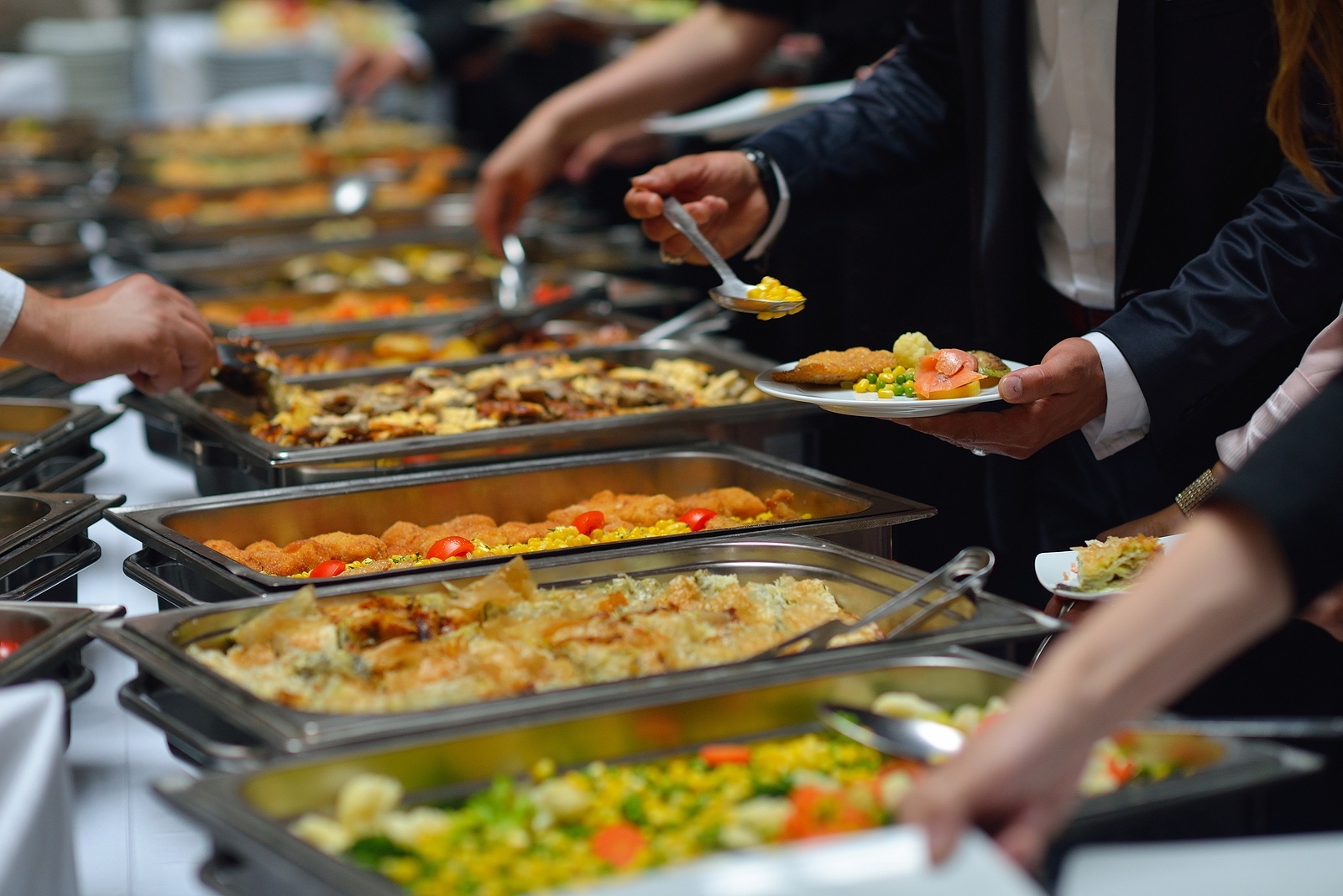
A table that looks full at the start can empty out surprisingly fast. One minute, guests are chatting and picking at their plates. The next, someone’s asking, “Is there more chicken?” and you’re doing a quick mental count of what’s left.
Getting catering portions right isn’t just logistics. It shapes how your event feels. When there’s enough food, everything flows. When there isn’t, it becomes the one thing people remember.
Here’s how to plan your portions with confidence, so your event feels generous, seamless, and stress-free.
Why Portion Planning Sets the Tone
Food is often the highlight of any gathering. It brings people together, sparks conversation, and keeps energy levels up.
Too little food can make things awkward. Too much can lead to unnecessary waste. The goal is to strike that comfortable middle ground where guests can eat freely without you worrying.
If you’re exploring corporate catering, you’ll notice that experienced caterers don’t just ask for headcount. They consider event type, guest profile, and even timing before recommending portions.
That’s what makes the difference between “just enough” and “just right.”
The Simple Breakdown: What Each Guest Needs
Instead of counting dishes, think in terms of a balanced plate. A satisfying meal usually includes:
- A base like rice, noodles, or pasta
- One or two protein options
- Vegetables for balance
- A side or appetiser
- Something sweet to end
As a general guide:
- 1 serving of carbs per person
- 1 to 1.5 servings of protein per person
- 1 serving of vegetables per person
- 1–2 sides or appetisers per person
Sounds straightforward, but real-life eating habits aren’t always so predictable. That’s where the next few factors come in.
Your Catering Style Changes Everything
The way food is served directly affects how much people eat.
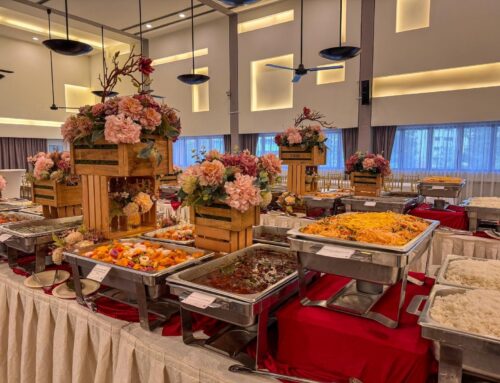
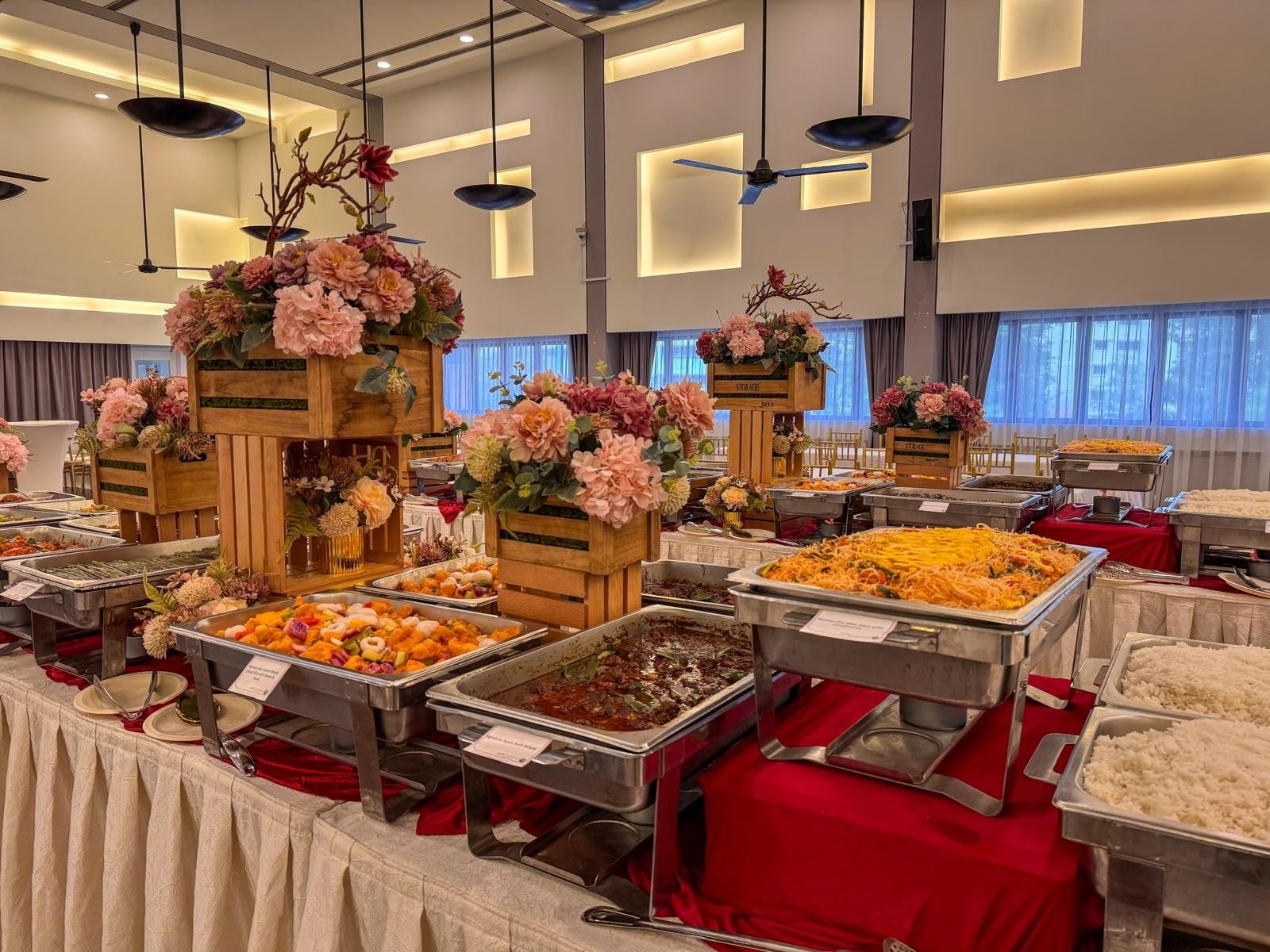
Buffet: Expect Second Rounds
Buffets are generous by nature. Guests love variety, and most will try a little of everything before going back for favourites.
What this means for you:
Add a buffer of about 10–20%, especially for crowd favourites like fried rice, noodles, or signature meats.
Bento Sets: Controlled and Convenient
With bento set catering, portions are fixed. Every guest gets a complete, balanced meal in one box.
What this means for you:
You can order closer to your exact headcount, with a small buffer for unexpected guests.
This is especially popular for meetings, workshops, and office settings where things need to be neat and efficient.
Mini Buffets: The Middle Ground
Mini buffets are great for smaller groups, like home gatherings or team lunches.
What this means for you:
Stick to the recommended pax size, but consider upsizing slightly if your group includes big eaters or if the event is more relaxed and long-running.
Know Your Crowd (It Matters More Than You Think)
Not all guests eat the same way.
Think about your group:
- Are they young professionals or families?
- Is it a quick work lunch or a laid-back celebration?
- Are there big eaters in the mix?
In Singapore, gatherings often revolve around sharing and trying a bit of everything. If your spread includes familiar favourites from popular catering menus, expect those dishes to disappear first.
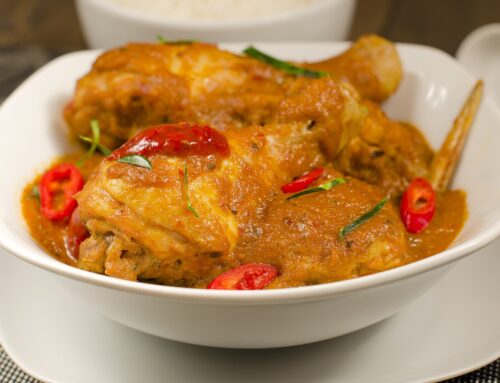
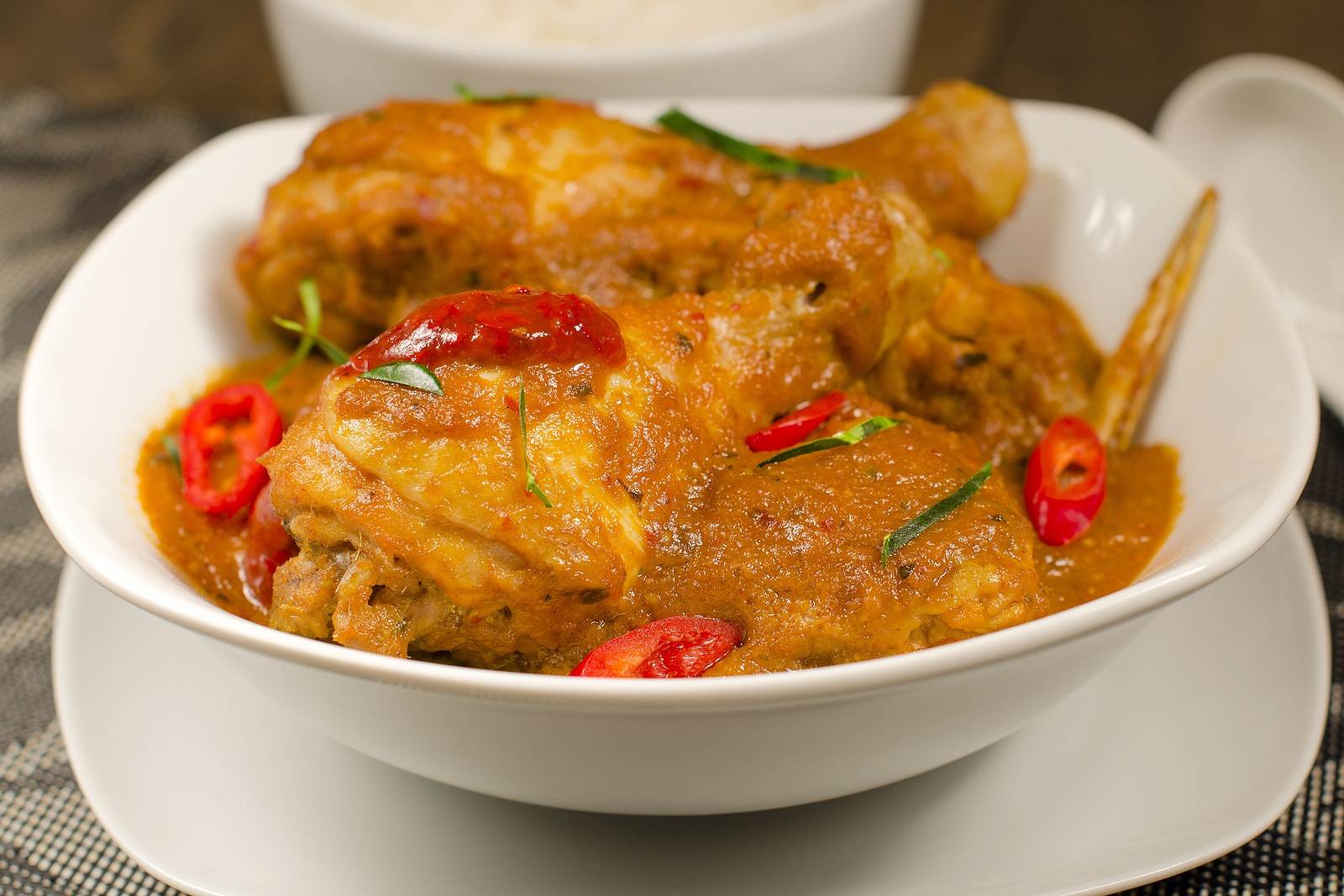
A tray of curry chicken or sambal prawns rarely lasts long.
Timing Can Make or Break Your Portions
People eat differently depending on the time of day.
- Morning events usually call for lighter portions
- Lunch events are balanced and moderate
- Dinner events tend to be heartier and more indulgent
Planning a tea-time event? Finger foods may look small, but they go fast. Always account for that.
Event Duration: The Silent Multiplier
The longer your event, the more people eat. It’s that simple.
- Short events (1–2 hours): Standard portions work
- Mid-length events (3–4 hours): Increase slightly
- Long sessions or full-day events: Consider multiple rounds of food
For corporate settings, splitting meals into lunch plus snacks often works better than one large spread.
The Most Common Portion Mistakes
Even with planning, these slip-ups happen all the time:
1. Underestimating Favourite Dishes
Not all dishes are equal. Some will always be more popular than others.
2. Forgetting About “Just One More Plate”
Guests rarely stop at one serving, especially at buffets.
3. Ignoring Last-Minute Add-Ons
There’s almost always an extra guest or two.
4. Overloading on One Category
Too much carbs, not enough protein, or vice versa can throw off the balance.
Practical Tips That Make a Big Difference
If you want a quick way to get things right, keep these in mind:
- Add a 10–15% buffer for buffet-style catering
- Increase portions slightly for signature dishes
- Balance heavier and lighter items
- Finalise your guest count as close to the event as possible
- Ask your caterer for guidance. They’ve seen it all
A good caterer doesn’t just provide food. They help you plan smarter.
When You’re Unsure, Lean Slightly Generous
Running out of food creates tension. Having a little extra creates comfort.
Guests feel taken care of when they don’t have to think twice about going back for seconds. That’s the experience you want to create.
Make It Effortless, Not Stressful
At the end of the day, you shouldn’t be worrying about trays running empty. You should be enjoying the event alongside your guests.
Getting your portions right means:
- No awkward moments
- No scrambling for backup food
- No unnecessary waste
- A smoother, more enjoyable experience overall
And that’s what great hosting is all about.
Conclusion
Portion planning doesn’t have to feel like guesswork. With the right approach and a bit of insight into your event, you can create a spread that feels just right for everyone.
If you want expert guidance on menu selection and portion planning, Catering Culture offers thoughtfully curated catering options for every occasion. Whether you’re planning a corporate event or a casual gathering, our team helps ensure every guest leaves satisfied.
Explore our menus today and plan your next event with confidence, knowing your portions and your experience are in good hands.